At some point, a lot of people quietly got exhausted by humor that tries too hard.
The forced reactions.
The giant punchlines.
The internet energy of:
“EVERYONE LOOK AT THIS JOKE IMMEDIATELY.”
Everything started feeling louder.
Faster.
More performative.
Which is probably why dry humor feels so refreshing right now.
Not because it’s emotionless.
But because it doesn’t demand attention.
Dry humor trusts people to meet the joke halfway.
And honestly?
That feels increasingly rare.
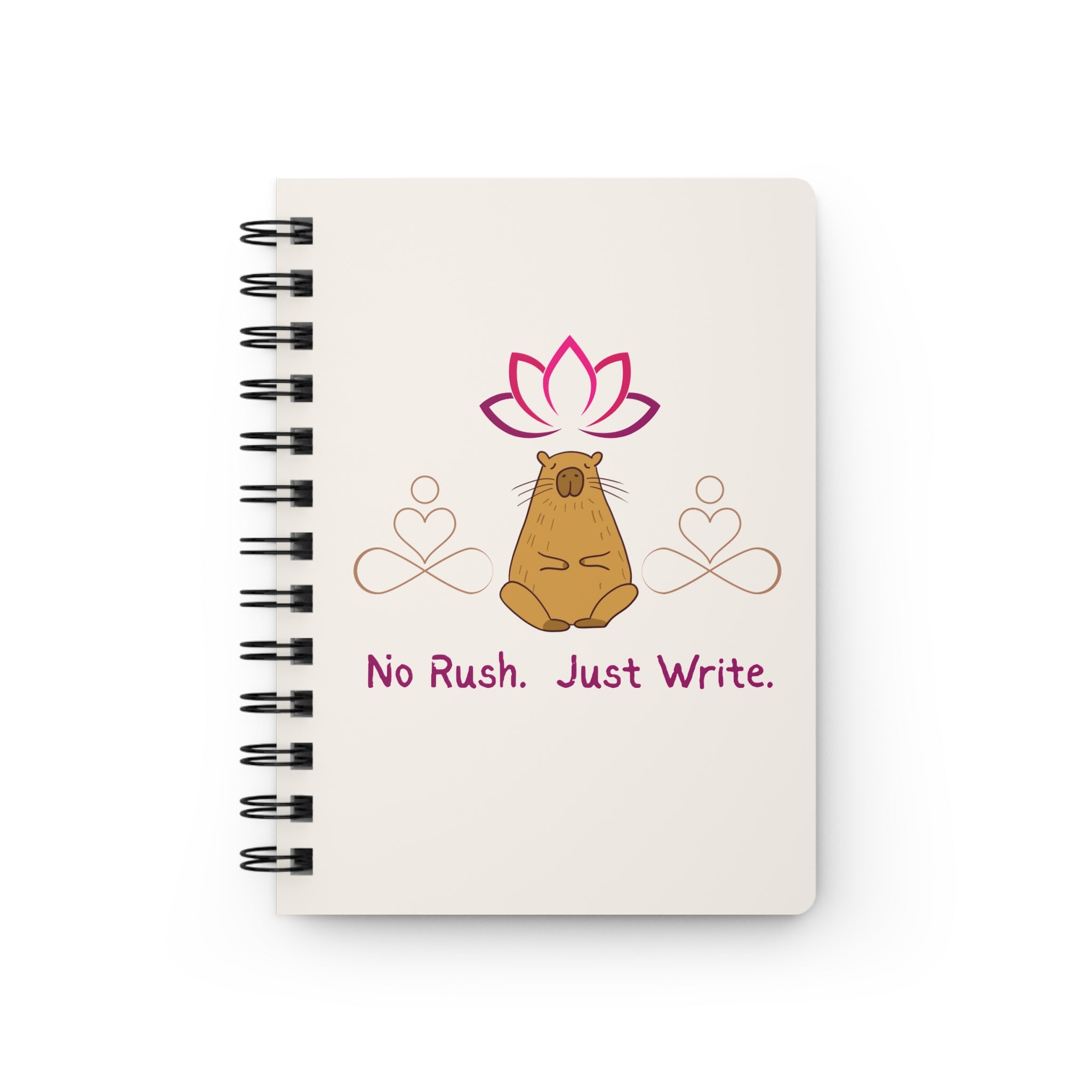
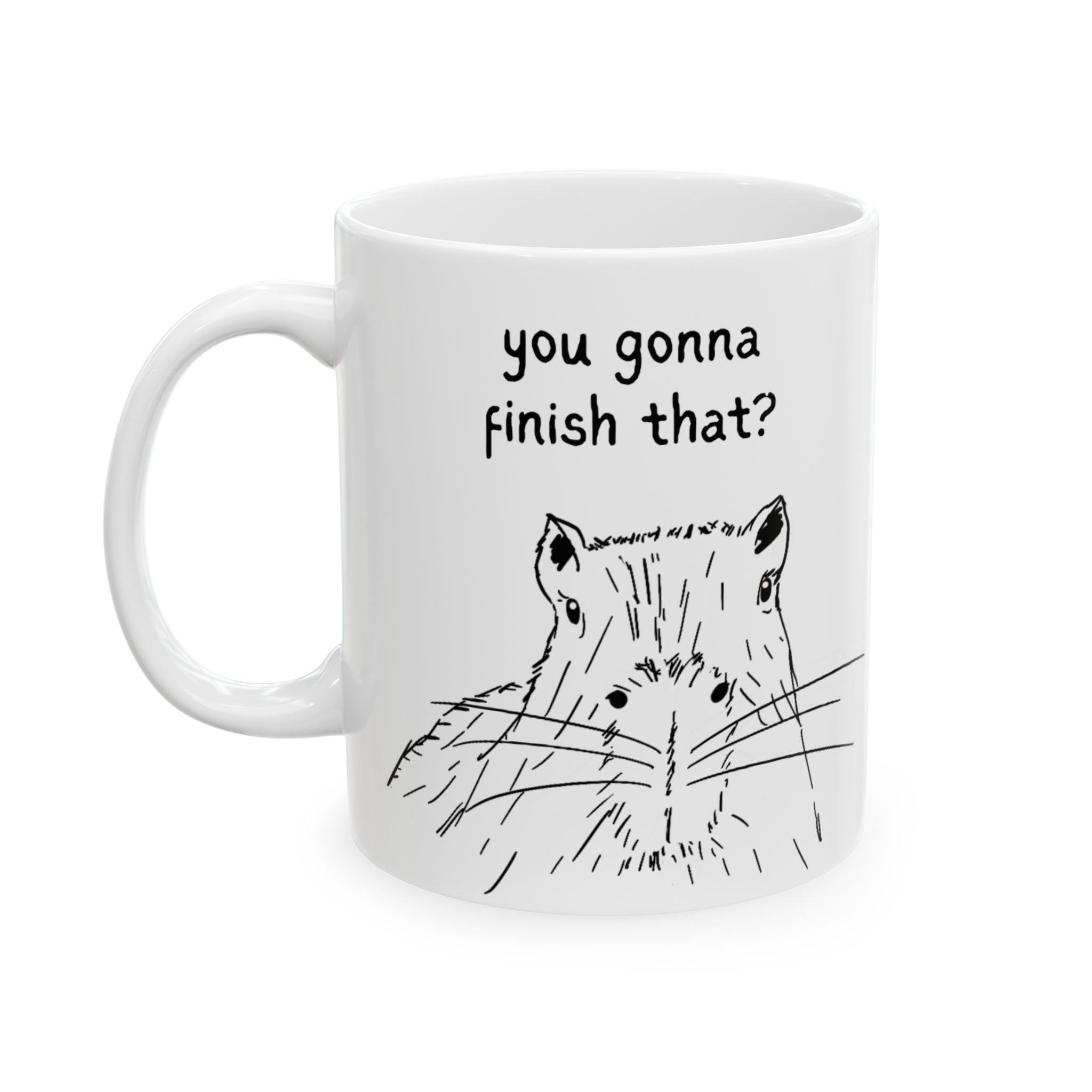
Brands like Capy Life understand this principle perfectly. Gene the Capybara doesn't shout jokes at you. The humor comes from pairing calm, unbothered imagery with situations that would normally stress people out. That juxtaposition is dry humor in visual form, and it works because the brand trusts you to get it without overexplaining.

What Dry Humor Actually Is
Dry humor is basically the art of saying something absurd with the energy of someone reading a weather report.
No dramatic setup.
No giant reaction.
No “please laugh now” pressure.
The joke lands because of the contrast:
- calm delivery
- ridiculous observation
- complete emotional commitment to the bit
Examples:
“This meeting has really helped me lose confidence in several systems.”
Or:
“I’m starting to think the printer and I have different goals.”
The humor works because the delivery stays completely grounded while the situation quietly spirals.
That tension is what makes dry humor funny.
Why More People Are Connecting With It
Modern life already feels overstimulating.
People are constantly being asked to:
- react
- perform
- optimize
- engage
- become a personal brand for some reason
Dry humor feels like relief from all of that.
It’s calm.
Understated.
Low-pressure.
Instead of screaming for attention, dry humor almost does the opposite:
it quietly waits for people who get it.
That creates a very different feeling than loud internet comedy.
It feels more human.
Dry Humor Rewards Observation
One of the best things about dry humor is that it rewards people for paying attention.
The joke often lives:
- between the lines
- in the timing
- in the understatement
- in how casually something absurd is delivered
That’s why subtle humor tends to stick with people longer.
Someone might not laugh immediately.
Then five seconds later:
“…wait, that’s actually hilarious.”
That delayed realization is part of the experience.
Dry humor creates participation instead of performance.
The Funniest People Usually Aren’t Trying the Hardest
This is probably why dry humor feels more relatable than overly polished comedy.
The funniest people are often the ones:
- making one perfectly timed comment
- barely changing their expression
- sounding mildly inconvenienced while saying something absurd
- then immediately moving on with their life
That energy feels effortless.
And honestly?
Effortless humor almost always lands harder than obvious punchlines.
There’s something comforting about comedy that doesn’t need to turn itself into a full production.
Why Understatement Works So Well
Understatement is one of the core ingredients of dry humor.
Calling something:
“a mild inconvenience”
when everything is visibly falling apart somehow becomes funnier than dramatically describing the disaster.
Why?
Because understatement creates contrast.
And contrast is where a lot of comedy lives.
Examples:
- “This is not ideal.”
- “Well. That could’ve gone differently.”
- “I’m choosing not to emotionally participate in this.”
- “The vibes are concerning.”
The calmer the delivery, the stronger the joke often becomes.
Dry Humor Feels More Wearable Too
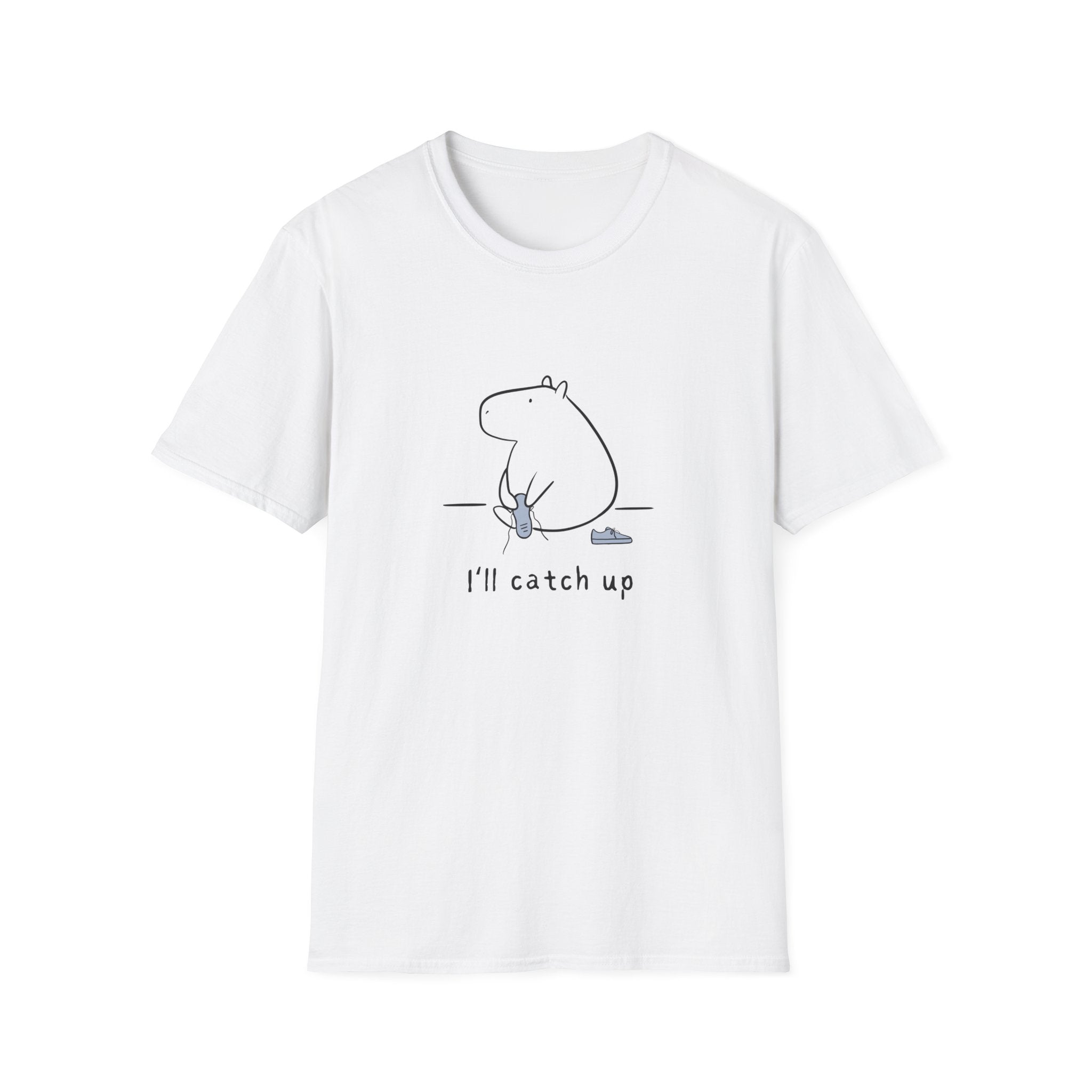
This is part of why subtle humor works so well on clothing.
Most adults still want personality in what they wear.
They just don’t necessarily want:
- giant punchlines
- loud novelty graphics
- shirts doing stand-up comedy from across the parking lot
Dry humor apparel works differently.
A small phrase.
A quiet visual joke.
A doodle that becomes funnier the longer someone looks at it.
That style feels:
- more wearable
- more timeless
- more emotionally relatable
It becomes:
“if you know, you know”
humor.
Which honestly tends to age much better than trend-based jokes.
Why Capybaras Accidentally Became the Perfect Dry Humor Animal
Capybaras are basically visual deadpan.
Everything about them feels emotionally understated:
- the facial expression
- the calmness
- the complete refusal to panic
- the energy of quietly observing chaos instead of participating in it
A capybara sitting peacefully while the world falls apart nearby already feels like a dry joke without anyone saying anything.
That’s part of why people connect with them so much.
They represent:
- calmness
- emotional steadiness
- subtle absurdity
- low-drama existence
Very dry humor-coded behavior.
Dry Humor Is Basically “Unbothered” Comedy
At its core, dry humor is often about emotional restraint.
Not suppressing emotions.
Just refusing to turn every experience into a theatrical event.
That’s why people who love dry humor are often drawn toward:
- calm personalities
- understated aesthetics
- low-pressure environments
- subtle design
- quiet confidence
The humor reflects the lifestyle.
Less:
“LOOK AT ME.”
More:
“I noticed something mildly ridiculous.”
And honestly?
That energy feels increasingly refreshing.
Frequently Asked Questions
What is dry humor?
Dry humor is a style of comedy that delivers absurd, ironic, or understated observations in a calm and emotionally neutral way.
Why do people like dry humor so much?
Dry humor feels more natural and low-pressure than overly loud or performative comedy. It rewards observation and often feels more relatable.
Is dry humor the same as sarcasm?
Not exactly. Sarcasm usually has a sharper or more critical edge, while dry humor is often more observational and understated.
Why does understatement make things funnier?
Understatement creates contrast between the seriousness of the delivery and the absurdity of the situation, which is where much of the humor comes from.
Why does dry humor work well on clothing?
Subtle humor tends to feel more wearable, timeless, and emotionally relatable than loud novelty designs or trend-heavy jokes.
What personality types tend to like dry humor?
People drawn to dry humor are often:
- observant
- low-drama
- emotionally grounded
- socially selective
- and slightly exhausted by overly performative energy
At the end of the day, dry humor works because it doesn’t force itself on people.
It just quietly sits there…
slightly concerned…
waiting for the right people to notice it.
Very capybara behavior, honestly.

Share:
What Having “Capybara Energy” Actually Means
Gene the Capybara’s Guide to Surviving Small Talk