
Everybody has one.
The person who already owns what they need.
The person who says:
"Honestly, don't get me anything."
The person whose house isn't overflowing with stuff because they've already figured out something many of us are still learning:
More things aren't always the answer. Which makes shopping for them surprisingly difficult. Because you want to give something thoughtful. But you also don't want to become the reason they have to find space for another random object.
Fortunately, there's a sweet spot.
The best gifts for people who don't want more stuff aren't about accumulation.
They're about recognition.
The Best Gifts Say "I See You"
Most bad gifts are generic.
Most good gifts are specific.
The goal isn't:
"What would anyone enjoy?"
The goal is:
"What would this person enjoy?"

That's a very different question.
The best gifts usually communicate:
- I know what makes you laugh
- I know how you spend your time
- I know what kind of person you are
That feeling lasts much longer than the gift itself.
Why Practical Gifts Often Win
People tend to imagine the best gifts are:
- expensive
- impressive
- elaborate
But that's usually not true.
The gifts people use every day often become their favorites.
Think about:
- a favorite coffee mug
- a comfortable hoodie
- a notebook they actually carry
- a shirt that somehow always ends up in the laundry
These aren't flashy.
They're useful.
And useful things become part of someone's life.
That's powerful.
The Problem With "More Stuff"
A lot of gift guides assume everyone wants:
- more decorations
- more gadgets
- more novelty items
But many adults are quietly trying to simplify.
Not because they're minimalists.
Because they're tired.
Tired of:
- managing things
- storing things
- organizing things
- charging things
- cleaning things
A gift shouldn't become another responsibility.
The best gifts reduce friction.
They don't create it.
Gifts That Get Used Are Better Than Gifts That Get Displayed
One of the easiest ways to choose a gift is to ask:
"Will this become part of their routine?"
If the answer is yes, you're probably onto something.

Some of the best examples:
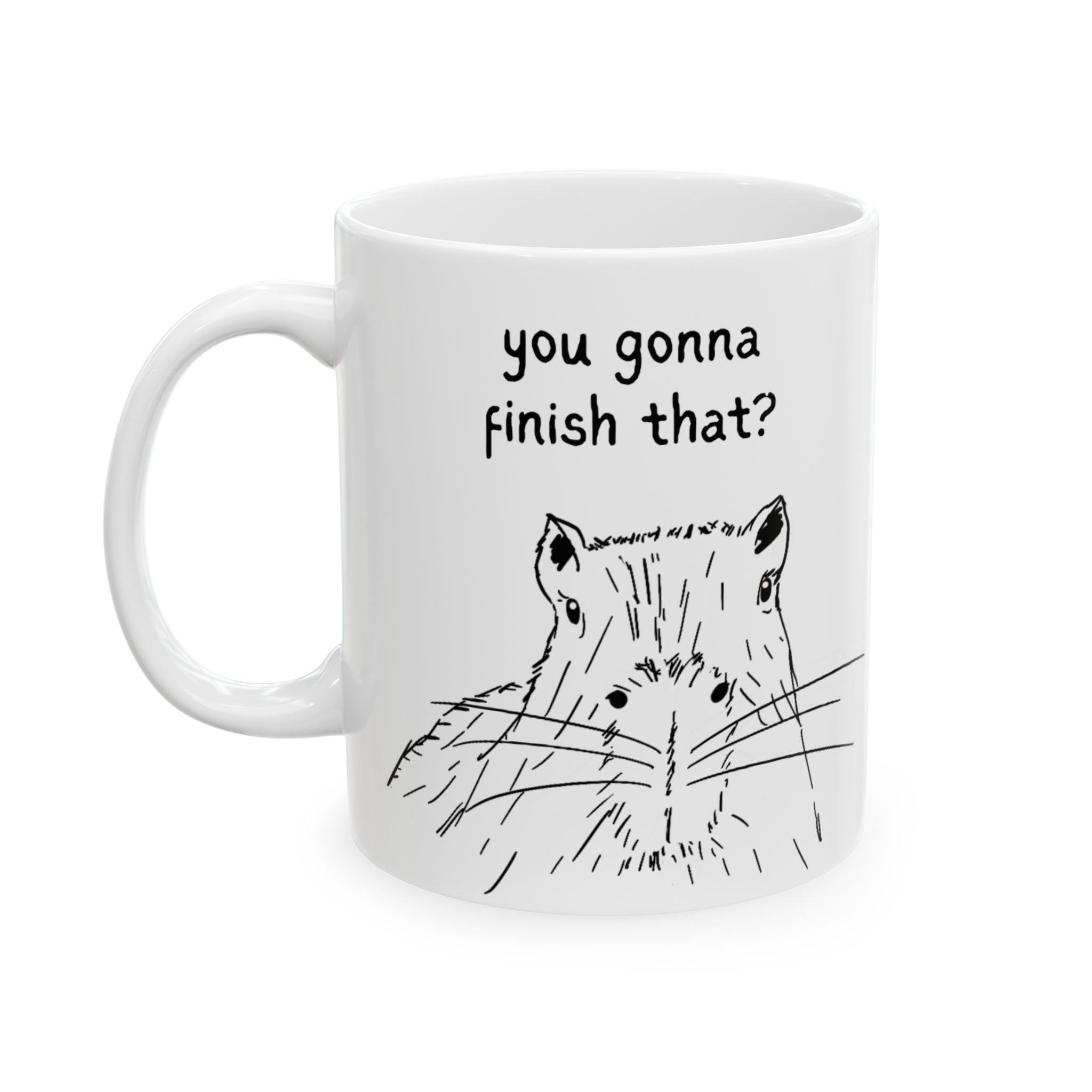
Funny Coffee Mugs
A good mug becomes a daily ritual.
Especially when the humor feels:
- subtle
- relatable
- dry
- and emotionally accurate
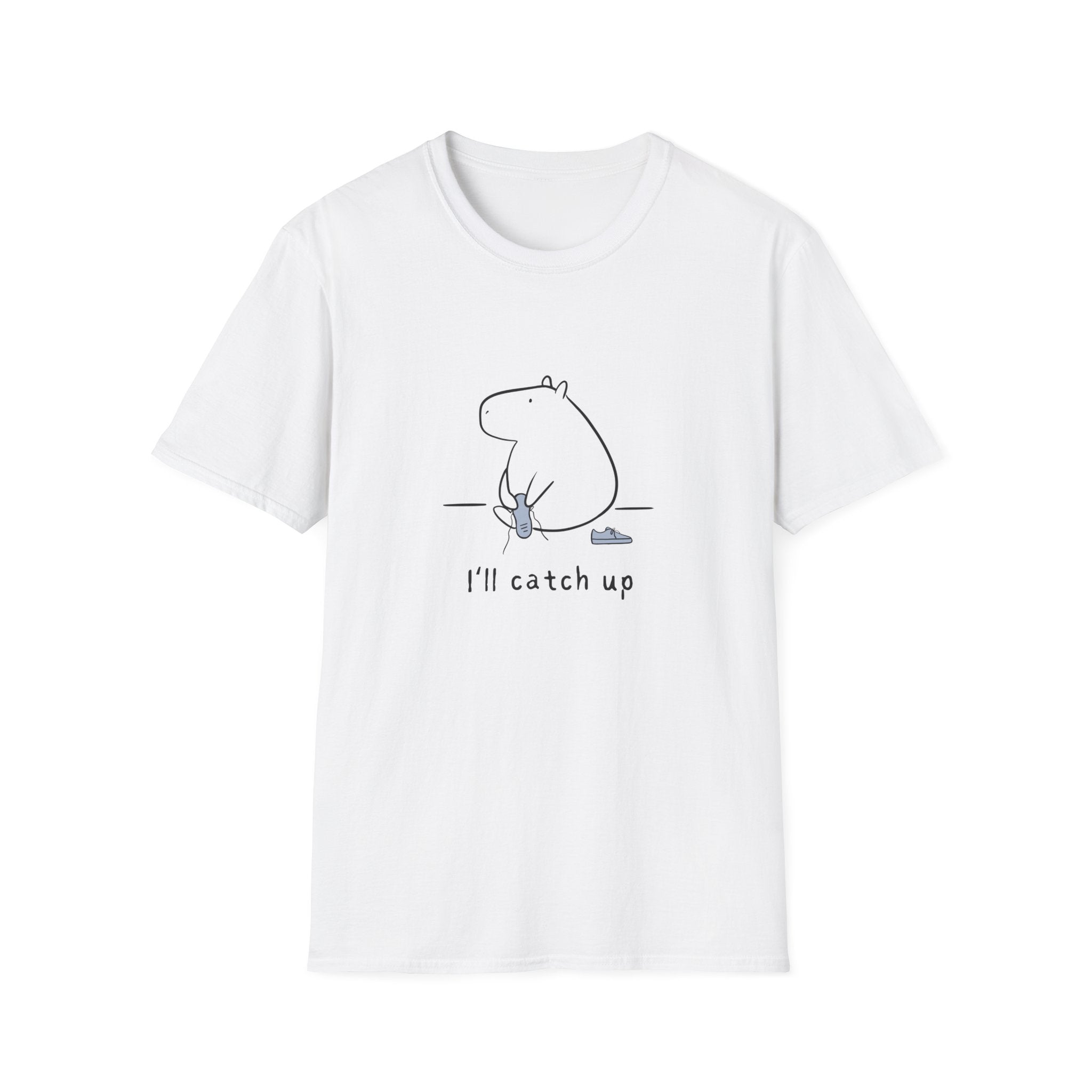
Comfortable Apparel
People wear the same favorite shirt far more often than they admit.
The key is choosing something that feels like them.
Not trendy.
Not generic.
Personal.
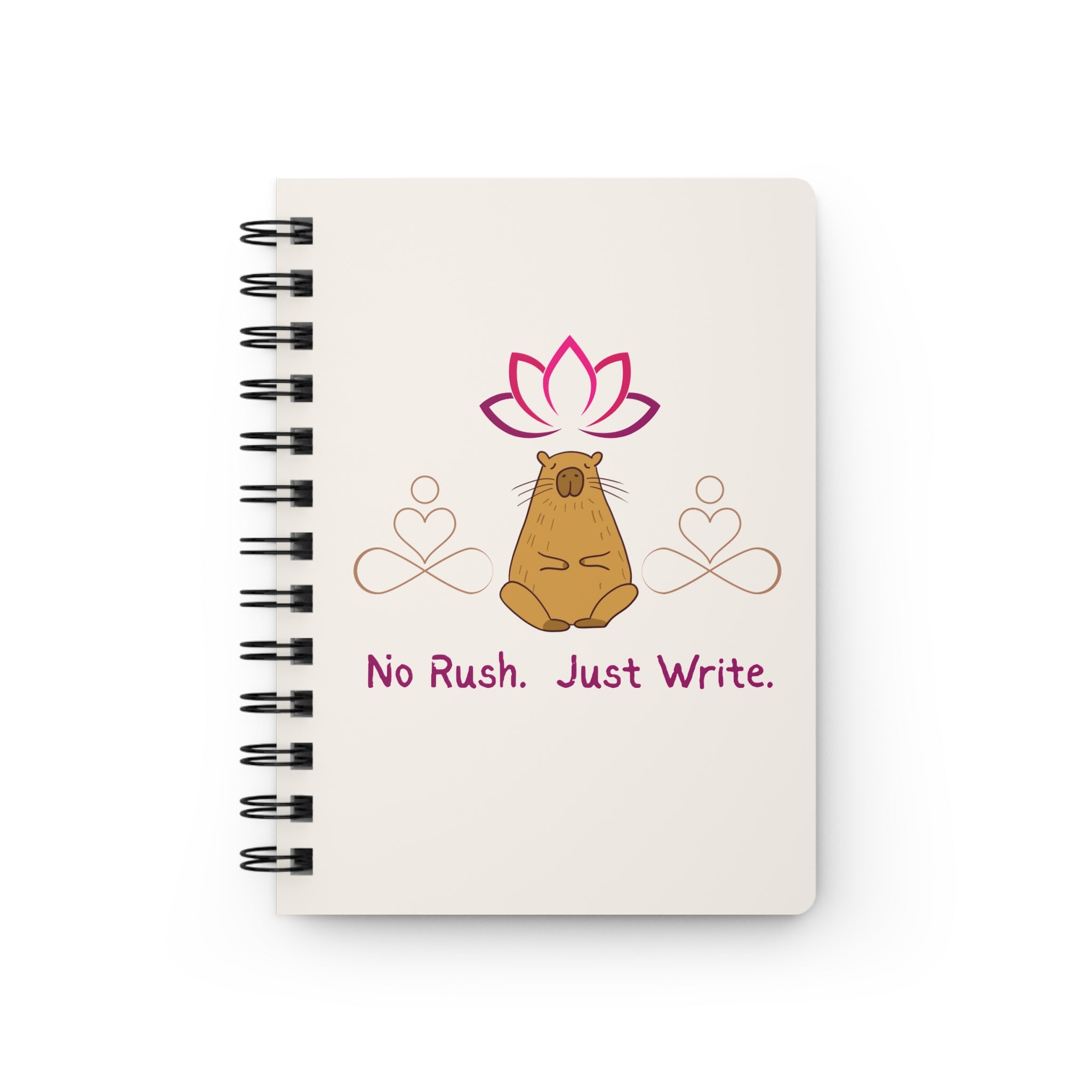
Notebooks & Journals
A notebook feels small.
But the right notebook becomes:
- ideas
- plans
- doodles
- lists
- random thoughts
Sometimes the simplest gifts have the longest lifespan.

Why Identity-Based Gifts Work So Well
This is where many gift guides miss the mark.
People don't just enjoy objects.
They enjoy feeling understood.
A gift works when the recipient thinks:
"That's exactly me."
That's why:
- dry humor gifts
- niche interests
- personality-driven designs
often outperform expensive luxury items.
You're not buying a product.
You're acknowledging a person.
Gifts for Different Types of People
For the Calm Person
They value:
- comfort
- simplicity
- quiet humor
Good options:
- subtle graphic tees
- coffee mugs
- cozy apparel
For the Parent Who Is Quietly Holding It Together
Skip:
- inspirational quotes
- parenting books
- productivity systems
Choose:
- comfort
- humor
- recognition
A hoodie that understands modern adulthood is often more appreciated than a complicated gift basket.

For the Teacher
Teachers receive a lot of gifts.
The memorable ones usually recognize them as a person, not a profession.
A thoughtful notebook.
A funny mug.
A shirt that has absolutely nothing to do with teaching.
Those often land best.
For the Hard-to-Shop-For Friend
The person who buys what they need when they need it.
The secret isn't finding something they don't have.
It's finding something they wouldn't have discovered on their own.
That's where personality matters.
The Best Gifts Don't Create Tiny Obligations
This is Gene's official gift philosophy.
Avoid:
- things that require assembly
- things that require maintenance
- things that require commitment
The gift should not arrive with homework.
No complicated setup.
No instruction manual.
No unexpected responsibility.
A gift should make life easier.
Or funnier.
Ideally both.
Why Simple Gifts Often Feel More Meaningful
A lot of people mistake simplicity for lack of effort.
But often the opposite is true.
Simple gifts work because:
- they're intentional
- they're specific
- they're usable
- they're chosen carefully
Anyone can spend money.
Paying attention takes more effort.
And paying attention is what people remember.
Frequently Asked Questions
What is a good gift for someone who says they don't want anything?
Choose something practical, consumable, or personality-driven that fits naturally into their daily life.
Are minimalist gifts boring?
Not at all. The best simple gifts feel personal, useful, and thoughtfully chosen.
What gifts do adults actually use?
Mugs, comfortable apparel, notebooks, drinkware, and other low-maintenance items tend to see repeated use.
Why are personality-based gifts so effective?
Because they communicate understanding. People remember feeling seen more than they remember receiving something expensive.
What makes a gift feel thoughtful?
Attention to who the recipient actually is—not just what they might generally like.
At the end of the day, the best gifts aren't the biggest.
They're the ones that quietly say:
"I know you well enough to choose something that belongs in your life."
And honestly?
That's a lot more meaningful than another thing to dust. 🦫

Share:
What Capybaras Understand About Keeping Life Simple
Gene Reviews Overly Complicated Coffee Orders